Paediatrics
Pediatric GI care
NCLEX pediatric GI chapter: pyloric stenosis, intussusception, Hirschsprung, TEF, appendicitis, celiac gluten teaching, GERD feeds, and cleft lip/palate postop care.
ClesialReviewed by Sophia Bennett, RN
Contents9 sections
Pediatric GI items test whether you protect a surgical belly, map an infant obstruction, teach a lifelong diet, or keep a fresh cleft repair intact. Adult bleed and obstruction patterns stay in GI bleeding and obstruction. This chapter owns pyloric stenosis, intussusception, Hirschsprung, TEF, appendicitis, celiac and GERD teaching, and cleft lip/palate care as tested.
Appendicitis and rupture
Appendicitis starts when the lumen of the appendix obstructs; stool, lymphoid swelling, or other blockage; and inflammation builds. Pain often begins near the umbilicus because visceral fibers fire first, then localizes to the right lower quadrant as the parietal peritoneum gets involved. Anorexia is almost always in the story; low-grade fever and rebound tenderness follow. The exam cares less about the exact anatomic name of McBurney's point and more about what you do: keep the child NPO, start IV access as ordered, hold food and laxatives, avoid abdominal heat (which can increase perfusion and hasten rupture on stems), and prepare for appendectomy.
Rupture is the trap. When pressure inside the inflamed appendix overwhelms the wall, contents spill and the sharp localized pain may suddenly ease; parents sometimes think the child is better. Hours later the picture flips to peritonitis: diffuse rigidity, rebound across the abdomen, higher fever, tachycardia, and a toxic, listless child. That sequence is not watchful waiting. Escalate, keep NPO, support fluids, and expect broader surgical and antibiotic management. Giving a laxative or enema for “constipation” in an acute abdomen is a classic distractor because it increases intraluminal pressure and can finish a near-rupture.
| Cue | Meaning | Nursing move |
|---|---|---|
| RLQ pain + anorexia + rebound | Likely appendicitis | NPO, no heat/laxatives, surgery prep |
| Sudden pain relief then rigid belly | Possible rupture | Emergency escalation; peritonitis care |
| Fever rising + toxic look | Spreading infection | Fluids, antibiotics as ordered, OR path |
| Parents want a warm pack | Comfort that can harm | Refuse heat; explain rupture risk |
- Assess pain location and change over time; migration and sudden relief both matter.
- Keep NPO; document last oral intake for anesthesia.
- Never apply heat or give a laxative for suspected appendicitis.
Safety
Sudden relief of appendicitis pain is a red flag for rupture until proven otherwise; not discharge teaching time.
Pyloric stenosis, intussusception, Hirschsprung, TEF
Infant obstruction stems are vignette recognition plus one first move. Adult mechanical obstruction (NPO, NG, perforation watch) stays in GI bleeding and obstruction. Teach the four pediatric fingerprints here so you do not steal them from the adult chapter.
Hypertrophic pyloric stenosis is gastric-outlet obstruction from a thickened pylorus, usually in a young infant who was feeding well and then starts projectile, nonbilious vomiting after feeds. Bile never mixed in because the block is before the duodenum. The infant is hungry again immediately: the stomach emptied, the brain still wants milk. An olive-shaped mass in the right upper quadrant is the classic palpation find. Repeated vomiting of acid produces hypochloremic metabolic alkalosis and dehydration. Surgery (pyloromyotomy) is the fix, but fluids and electrolytes first so anesthesia is safe. The distractor that looks kind is offering another bottle, or rushing to the OR before the alkalosis is corrected.
Intussusception is bowel telescoping into itself, often ileocolic, so mesentery is trapped and mucosa bleeds. The infant or toddler has sudden episodic inconsolable crying, knees to chest, then a quiet interval that fools caregivers into thinking colic ended. Currant-jelly stool is blood plus mucus from ischemic mucosa; a sausage-shaped mass may be felt. Air or contrast enema can reduce many cases. Soft brown stool after the enema is the success signal: report it, because the plan changes. Recurrence can happen; a second pain cluster is not “just gas after the procedure.” Do not treat currant-jelly as food dye or constipation straining.
Hirschsprung disease is missing ganglion cells in a distal bowel segment, so that segment cannot relax. No meconium by 48 hours is the newborn flag. Later, ribbon-like foul stools, distention, and failure to thrive appear as stool squeezes past the tight segment. Enterocolitis (fever, explosive foul diarrhea, looking toxic) is the emergency overlay: NPO, notify, resuscitation, not a “stool softener and home” plan. Diagnosis and pull-through surgery follow the pediatric surgical pathway; nursing is recognition, decompression as ordered, and not discharging a newborn who has never stooled.
Tracheoesophageal fistula / esophageal atresia is an abnormal connection between esophagus and trachea, often with a blind esophageal pouch. The first feed (or even saliva) goes the wrong way: choking, coughing, cyanosis, and frothy bubbles at the mouth. Polyhydramnios sometimes sits in the prenatal history because the fetus could not swallow amniotic fluid normally. Stop feeds. Keep NPO, elevate the head, suction the pouch as ordered, and prepare for surgical repair. A contrast swallow is not a nursing freelance. The miss is offering another nipple because “newborns spit.”
| Pattern | Classic cues | First moves |
|---|---|---|
| Pyloric stenosis | Projectile nonbilious vomit; hungry again; olive mass | NPO, IV fluids, expect alkalosis, surgery after electrolytes |
| Intussusception | Episodic cry, knees up, currant-jelly stool | Escalate; air/contrast enema pathway; report brown stool after reduction |
| Hirschsprung | No meconium by 48 h; ribbon stools; distention | Do not discharge a no-stool newborn; enterocolitis = emergency |
| TEF / EA | Choke-cough-cyanosis with first feed; frothy saliva | NPO, HOB up, suction; never another bottle |
Celiac disease and gluten teaching
Celiac disease is an immune response to gluten that damages the small-bowel mucosa. Villous injury cuts absorption, so children may present with diarrhea, bloating, failure to thrive, irritability, or steatorrhea. The cure is not a medication; it is lifelong removal of gluten so the mucosa can heal. Wheat, barley, and rye are the exam staples; hidden gluten lives in gravies, soy sauce, some processed meats, communion wafers, and shared fryers. Oats are often contaminated unless labeled gluten-free. Corn, rice, and potato are usual safe starch bases when not mixed with wheat flour.
| Usually avoid (gluten) | Usually safe bases (if plain) | Why teaching fails |
|---|---|---|
| Wheat, barley, rye; many breads/pastas/cereals | Corn, rice, potato, labeled gluten-free oats | Families hear “no bread” and miss sauces and fryer oil |
| Shared toaster / pasta water / cutting board contamination | Dedicated prep surfaces when possible | Tiny antigen doses still injure mucosa |
Bedside teaching fails when families hear “just avoid bread.” Cross-contamination on a shared toaster, cutting board, or pasta water still delivers antigen. School lunch and birthday cupcakes are where adherence breaks. Frame the diet as treatment, not preference: accidental gluten can restart symptoms and mucosal injury. Fat-soluble vitamin and iron issues may appear until absorption recovers; follow ordered labs and supplements rather than inventing megadoses.
- Read labels every time; formulations change.
- Teach restaurants and schools about dedicated prep when possible.
- Do not promise that “a little wheat” is harmless on exam stems.
Pediatric GERD: positioning and feeds
Gastroesophageal reflux happens when the lower esophageal sphincter is immature or relaxed and stomach contents move up. Most infants spit; pathologic GERD adds poor weight gain, arching, pain, or aspiration risk. Mechanism drives care: gravity and smaller gastric volume reduce the column that can reflux. Hold the infant upright during and after feeds, use small frequent feeds rather than one large bolus, and burp to clear swallowed air. Thickening agents appear only when ordered; do not freelance cereal into a bottle on a stem that never ordered it.
Flat supine immediately after a large feed is a common wrong answer when the stem is about reducing reflux episodes. Safe sleep still means back to sleep for SIDS prevention when the infant is sleeping; do not invent prone sleep as GERD treatment. Elevate the head of the crib only with approved methods if ordered; wedges that let the infant slide into a compromised position fail safety. Older children with GERD get smaller evening meals, upright time after eating, and avoidance of known triggers as taught. Acid-reducing drugs for adult bleed risk live in GI bleeding and obstruction; here the priority is feed technique and aspiration watch.
| Action | Why it helps | Trap |
|---|---|---|
| Upright after feeds | Gravity limits reflux volume | Prone sleep “for reflux” |
| Small frequent feeds | Less gastric distention | Force large feeds to “catch up” |
| Burp often | Less air, less pressure | Ignore arching and cough during feeds |
| Thicken only if ordered | Protocol-based viscosity | Add cereal without an order |
Cleft lip and palate: feeding and postop protection
A cleft lip, palate, or both leaves an opening between the oral and nasal cavities. Negative pressure for sucking fails, so milk leaks through the nose, air is swallowed, and feeds take longer with more fatigue and aspiration risk. Preoperative nursing centers on nutrition and airway: specialized bottles and nipples that do not require a perfect seal, upright or semi-upright feeding, aiming the stream away from the cleft, frequent burping, and patience. Feedings should finish in a reasonable time so the infant is not exhausted; gavage appears when oral intake cannot meet needs.
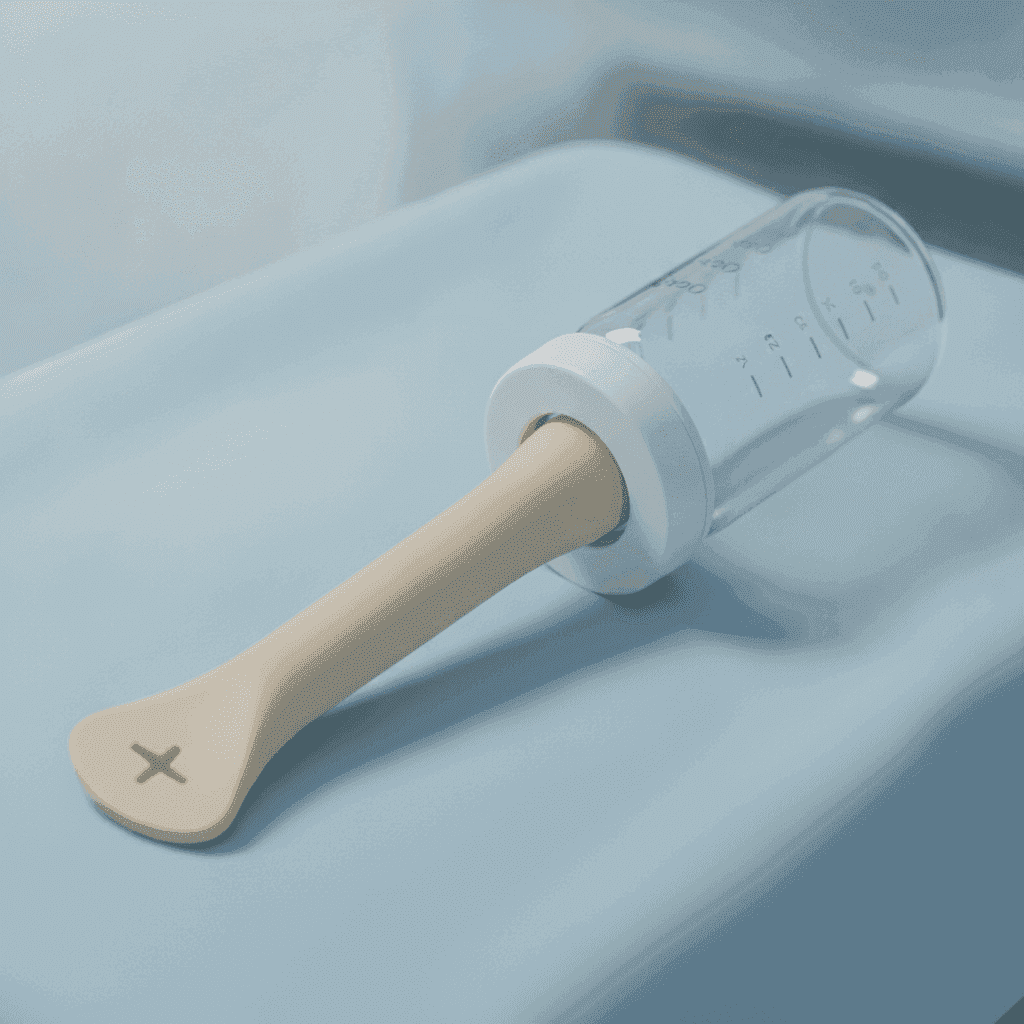
After surgical repair, the suture line is the asset you protect. Nothing hard goes in the mouth; no pacifiers, straws, or utensils that can tear the repair, as ordered by the surgeon's protocol. Elbow restraints (or immobilizers) keep the infant's hands from rubbing or putting objects on the site. Check skin under restraints and perform ROM by removing one restraint at a time while you stay at the bedside; removing both so the child can “play freely” is how a repair is ruined on exams. Clean the site as ordered; report bleeding, separation, or respiratory distress. Pain control and parent teaching about restraint purpose prevent well-meaning removal.
- Preop: upright feed, special feeder, burp, watch for aspiration.
- Postop: protect suture line; no oral trauma objects as ordered.
- Elbow restraints: one off at a time for checks; never leave unsupervised with both off if hands can reach the face.
Safety
Elbow restraints after cleft repair are a safety device for the suture line; skin checks yes, unsupervised dual removal no.
Priority map
| Situation | First move |
|---|---|
| Child with migrating RLQ pain | NPO; no heat/laxatives; surgical workup |
| Sudden pain relief then rigid abdomen | Treat as rupture/peritonitis emergency |
| New celiac diagnosis | Gluten-free teaching; label and cross-contact rules |
| Infant arching and spitting with poor gain | Upright small feeds; ordered thicken only |
| Post cleft repair reaching for mouth | Elbow restraints on; protect suture line |
| Projectile nonbilious vomit + olive | Pyloric workup; fluids before surgery |
| Currant-jelly + episodic knees-to-chest | Intussusception; enema reduction pathway |
| First feed: choke, cough, cyanosis | TEF: NPO, HOB up, suction |
| No meconium by 48 hours | Hirschsprung workup; do not discharge |
Revision
Must know
- 1Appendicitis: peri-umbilical pain that migrates to RLQ, anorexia, low-grade fever, rebound; keep NPO, no heat or laxatives, prepare for surgery.
- 2Sudden relief of pain then peritonitis (rigid abdomen, rebound everywhere, rising fever, toxic look) suggests rupture; escalate as surgical emergency.
- 3Celiac disease: lifelong gluten avoidance (wheat, barley, rye); teach label reading and cross-contamination; oats only if labeled gluten-free.
- 4Pediatric GERD: upright after feeds, small frequent feeds, thicken only as ordered; avoid forcing flat supine right after a large feed when reflux is the issue.
- 5Cleft lip/palate preop: special bottles or feeders, upright feeding, burp often, protect the airway from aspiration of milk.
- 6Post cleft repair: protect the suture line; no pacifiers or hard objects in the mouth as ordered; elbow restraints keep hands off the site.
- 7Elbow restraints: remove one at a time for skin and ROM checks; never leave both off unattended if the child can reach the repair.
- 8Pyloric stenosis: projectile nonbilious vomit after feeds, still hungry, olive mass; metabolic alkalosis from acid loss; fluids/electrolytes before surgery.
- 9Intussusception: episodic crying with knees to chest, currant-jelly stool; air/contrast enema may reduce; soft brown stool after means report, reduction may have worked.
- 10Hirschsprung: no meconium by 48 hours, later ribbon-like foul stools and distention; enterocolitis (fever, explosive diarrhea) is an emergency.
- 11TEF / esophageal atresia: choking, coughing, cyanosis with first feed, frothy saliva; NPO, HOB up, suction; do not feed.
- 12Adult GI bleed and obstruction patterns live in the GI bleeding and obstruction chapter; this chapter owns the pediatric surgical and feeding map.
Memory hooks
Pain gone, then rigid = rupture
Sudden pain relief in appendicitis is not recovery; think perforation and peritonitis next.
Wheat, barley, rye out
Celiac gluten ban is those three grains (and products made from them). Corn and rice are usually safe bases.
Elbows off the repair
Elbow restraints stop hands from reaching the cleft suture line; check skin and release one side at a time.
Olive after projectile; jelly with knee draws
Olive-shaped mass plus projectile vomiting equals pyloric stenosis. Currant-jelly stool with episodic knee-to-chest crying equals intussusception.
Choke, cough, cyanosis = stop the feed
First-feed choking with frothy saliva is tracheoesophageal fistula until the workup says otherwise. NPO, not another bottle.
On the exam
How it's tested
Stems ask first actions for RLQ pain in a child, what sudden pain relief means, which foods violate a gluten-free diet, how to position after a GERD feed, why elbow restraints stay on after cleft repair, which infant is pyloric vs intussusception vs Hirschsprung, or what to do with first-feed choking. Distractors apply heat to the appendix, give a laxative for constipation with acute abdomen, remove both restraints so the child can play, keep feeding a TEF infant, or treat currant-jelly stool as diet dye.
More in paediatrics
All topics- Immunisation and HIVNCLEX vaccine safety and HIV chapter: live-vaccine holds, mild-illness myths, CD4 and opportunistic infection risk, transmission teaching, and ART adherence cues.Read
- Paediatric blood and cancerNCLEX pediatric hematology-oncology: sickle cell, hemophilia, vWD/thalassemia/aplastic, iron teaching, leukemia precautions, Wilms (do not palpate), plus neuroblastoma, osteosarcoma, and Hodgkin.Read
- Paediatric cardiac and endocrineNCLEX pediatric heart and endocrine: tet spells, post-cath checks, infant HF and digoxin, Kawasaki, rheumatic fever after strep, diabetes sick-day and hypo treatment, PKU diet.Read
- Paediatric fluid and newbornNCLEX pediatric fluid chapter: dehydration severity, oral rehydration first when able, shock priorities, newborn normals vs red flags, Apgar, reflexes, and infant CPR on a firm surface.Read