Paediatrics
Paediatric skin, ENT, and safeguarding
NCLEX pediatric ENT and skin: tonsillectomy bleed cues, ear and eye infection teaching, lice and impetigo control, eczema care, and mandatory reporting for maltreatment.
ClesialReviewed by Sophia Bennett, RN
Contents7 sections
ENT and skin items in pediatrics mix airway bleeding after tonsils, contagious skin rules, and the legal duty to report when a child’s story and injuries do not add up. This chapter stays in words and supplies; no injury photographs.
Tonsillectomy and pediatric ENT
After tonsillectomy the surgical bed can bleed quietly. Blood trickles down the throat, the child swallows again and again, and the room may look calm until pallor and tachycardia catch up. Frequent swallowing, throat clearing, restlessness, vomiting blood, or bright oral blood is a bleed pathway, not “thirst after surgery.” Escalate now; do not wait for a puddle on the pillow.
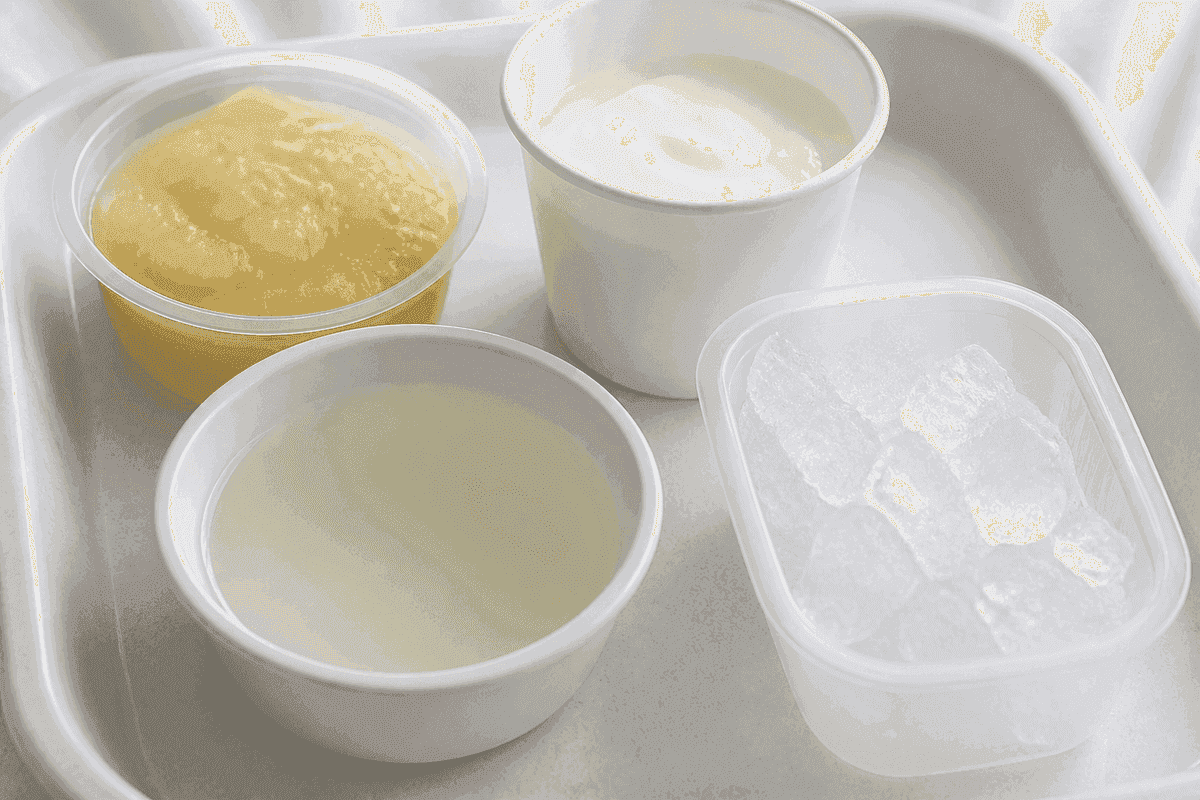
Bleeding risk is highest early after surgery and again when the scab loosens days later, so home teaching stays sharp after discharge. Soft cool foods and approved fluids keep the site from drying and cracking. Straws create suction that can tug the healing bed; crunchy or abrasive foods scrape it. Red or brown fluids are usually avoided early because they look like blood and hide a real bleed on the exam and at the bedside.
- Watch for frequent swallowing, vomiting blood, restlessness, rising HR; bleed pathway.
- Position and comfort per order; avoid trauma to the surgical site.
- Hydrate with approved fluids; skip straws and abrasive/crunchy foods early.
Ear and eye items in this chapter are anatomy and spread control. The toddler ear canal runs more horizontally, so pull the pinna down and back to straighten the path for drops. Pulling up and back is the adult move and pools medicine at a bend. Otitis media prevention targets what keeps fluid near the eustachian tube: propped bottles while flat, smoke exposure, and missed vaccines when due. Hold feeds upright; never prop a bottle for unsupervised feeding.
| Topic | Rule |
|---|---|
| Ear drops <3 years | Pinna down and back |
| OM prevention | No propped bottles; upright feeding; smoke exposure off |
| Bacterial conjunctivitis | Hygiene, complete drops, limit spread |
| Strabismus patch | Cover stronger eye per plan |
Bacterial conjunctivitis spreads on hands and shared towels, so hygiene and finishing prescribed drops matter as much as the bottle itself. For strabismus or amblyopia plans, patch the stronger eye so the weaker eye has to work; covering the weak eye defeats the purpose. Follow the ophthalmology schedule rather than inventing “as much as the child will tolerate.” The distractor that looks kind is giving red popsicles after T&A, pulling a 2-year-old’s pinna up and back, or patching the lazy eye “so it can rest.”
Contagious skin and eczema
Contagious skin stems ask whether you interrupt contact spread without shaming the family. Impetigo (often honey-crusted lesions) moves by touch and fomites: hand hygiene, separate towels and linens, cover lesions as directed, finish antibiotics, and follow return-to-school rules. Stopping meds when crusts fade leaves organisms and classmates exposed.
Head lice are about head-to-head contact and shared hats or bedding more than “dirty hair.” Treatment is the pediculicide as directed plus wet combing to remove nits, with wash or bag guidance for linens and close contacts as taught. Nits alone are not the same teaching point as active live lice; know what your policy uses for school return. Reassure parents that infestation is common and not a moral failure, then still treat thoroughly.
- Impetigo spreads by contact; hand hygiene, separate towels, cover lesions as taught.
- Lice: medicated product + combing; clean bedding/hats; reassure parents this is not about cleanliness alone.
- Eczema: moisturize relentlessly, trim nails, avoid wool/fragrance triggers when relevant.
- Diaper rash: dry clean skin, barrier ointment; yeast patterns need antifungals as ordered.
Eczema (atopic dermatitis) is a broken skin barrier that itches, not an infection to scrub raw. Moisturize often, keep nails short so night scratching does not open skin, prefer loose cotton, and cut wool or fragrance triggers when they clearly flare the child. Topical steroids go on as a thin layer when ordered, on inflamed skin, not as a thick “more is better” coat over the whole body. Diaper dermatitis improves with frequent changes, gentle cleansing, air time, and barrier ointment on clean dry skin. Satellite lesions and persistent beefy redness suggest Candida and need an antifungal as ordered, not endless zinc alone. The distractor treats lice as proof of neglect, stops impetigo antibiotics early, or steroids every inch of dry skin instead of the inflamed patches prescribed.
Child maltreatment: recognition and reporting
Suspect maltreatment when the history does not fit the developmental stage, care was delayed without a clear reason, or there are patterned burns/bruises or injuries in protected locations; described in documentation, never displayed as images here. A crawling infant with a spiral femur fracture story that only fits a much older child, or a clearly demarcated immersion burn with a changing caregiver story, are classic “history does not match” patterns on exams.
| Red flag pattern | Why it raises concern | Nursing duty |
|---|---|---|
| Injury incompatible with age/ability | Child could not have produced the mechanism described | Protect; report per law; do not need courtroom proof |
| Changing or vague history; delay seeking care | Story may be covering harm | Document facts; initiate mandatory report pathway |
| Patterned burns/bruises; injuries over soft protected areas as tested | Accidental bumps usually hit bony prominences differently | Objective description; escalate safeguarding |
| Child fearful of a specific caregiver | Fear can be a disclosure cue | Keep child safe; avoid accusatory confrontation that triggers flight |
Safety
If you reasonably suspect child maltreatment, initiate the mandatory reporting pathway required in your jurisdiction. Notify the charge nurse/provider as facility policy requires, keep the child safe, and document objectively. Certainty of guilt is not the reporting threshold.
- Stay calm and nonaccusatory with caregivers while protecting the child.
- Use exact quotes and body diagrams per policy; objective facts only.
- Do not confront in a way that lets a dangerous caregiver leave with the child when imminent harm is suspected; follow facility security/protective protocols.
The distractor that looks fair is waiting until you are “sure” or until a physician agrees before reporting. Mandatory reporting laws generally set the threshold at reasonable suspicion, not conviction. Another miss: accusing the parent in the hallway so they remove the child from care. Keep the child safe, document, and use the designated pathway.
Priority map
| Picture | First move |
|---|---|
| Quiet child swallowing constantly post-T&A | Bleed escalate |
| 2-year-old ear drops | Pinna down and back |
| Honey-crust lesions class + siblings | Impetigo hygiene/meds teaching |
| History incompatible with injury pattern | Mandatory report pathway |
Revision
Must know
- 1Post-tonsillectomy: frequent swallowing, throat clearing, pallor, tachycardia, or bright blood = bleeding; escalate now. Soft cool foods; avoid straws/red fluids as taught.
- 2Otitis media prevention: no propped bottles; upright feeds; smoke-free home; vaccines as due.
- 3Ear drops under age 3: pinna down and back. Bacterial conjunctivitis: hand hygiene, no sharing towels, complete drops.
- 4Strabismus patching: patch the stronger eye so the weaker eye works; follow ophthalmology plan.
- 5Impetigo: contact precautions teaching, finish antibiotics, keep lesions covered as directed, return-to-school rules per policy.
- 6Head lice: pediculicide as directed + wet combing; wash linens; treat contacts as taught; nits alone are not the same as active infestation teaching points.
- 7Eczema: moisturize, avoid triggers, short nails, loose cotton; steroid creams as thin layer when ordered.
- 8Diaper dermatitis: frequent changes, barrier cream, air time; candidal patterns need antifungal as ordered.
- 9Child maltreatment: inconsistent history, patterned injuries, delay in seeking care, fear of caregiver; report per mandatory reporting law. Nurses report; they do not need certainty of proof first.
Memory hooks
Swallowing a lot after T&A = blood
Frequent swallowing is an early post-tonsillectomy bleed cue, especially when the child is quiet.
Report first, investigate later
Mandatory reporting means you notify protective services/designated pathway when maltreatment is suspected; you do not wait for a courtroom case.
Patch the strong eye
For amblyopia/strabismus plans, covering the better-seeing eye forces use of the weaker eye.
On the exam
How it's tested
Stems ask the earliest tonsil bleed sign, pinna direction for a 2-year-old, lice teaching, or what to do with a patterned burn history that does not match. Distractors give red popsicles after T&A or delay reporting until “sure.”
More in paediatrics
All topics- Immunisation and HIVNCLEX vaccine safety and HIV chapter: live-vaccine holds, mild-illness myths, CD4 and opportunistic infection risk, transmission teaching, and ART adherence cues.Read
- Paediatric blood and cancerNCLEX pediatric hematology-oncology: sickle cell, hemophilia, vWD/thalassemia/aplastic, iron teaching, leukemia precautions, Wilms (do not palpate), plus neuroblastoma, osteosarcoma, and Hodgkin.Read
- Paediatric cardiac and endocrineNCLEX pediatric heart and endocrine: tet spells, post-cath checks, infant HF and digoxin, Kawasaki, rheumatic fever after strep, diabetes sick-day and hypo treatment, PKU diet.Read
- Paediatric fluid and newbornNCLEX pediatric fluid chapter: dehydration severity, oral rehydration first when able, shock priorities, newborn normals vs red flags, Apgar, reflexes, and infant CPR on a firm surface.Read