Mental health
Mental health conditions
NCLEX mental health chapter: mania and psychosis responses, suicide risk ranking, lithium toxicity, EPS and NMS, clozapine agranulocytosis, ECT prep, and when to hold psych meds.
ClesialReviewed by Sophia Bennett, RN
Contents10 sections
Mental health items on the NCLEX turn on safety first: feed and protect the manic client, answer psychosis without feeding the delusion, rank suicide risk honestly, catch the drug emergencies that kill, and prep ECT without turning it into folklore. SSRI suicide watch, serotonin syndrome, MAOI diet, and TCA overdose deepen in Antidepressants. How you phrase the conversation once the room is safe lives in Therapeutic Communication.
Mood and psychotic disorders
Mania and psychosis look energetic or convinced, so the untrained eye under-triages them. Priority is not naming the diagnosis first. It is whether the person can eat, sleep, and stay safe long enough for treatment to work. Depression adds the opposite risk: withdrawal and suicidality that you only find if you ask.
| Picture | Nursing move |
|---|---|
| Mania: not eating/sleeping, constant motion | Safety, reduce stimulation, finger foods/fluids, sleep measures |
| Voices saying the client is in danger | Acknowledge fear; do not validate the voice content; stay with safety |
| Fixed delusion (chip in arm, etc.) | Do not argue or agree; focus on feelings and present reality tasks |
| Major depression cluster | Low mood, anhedonia, sleep/appetite change, guilt, energy loss, concentration, suicidality |
Why finger foods beat a full tray in mania: decreased need for sleep and constant motion burn calories and block sitting. Grandiosity and pressured speech make a quiet meal feel optional. Portable high-calorie food and fluids protect nutrition while you lower stimulation and chase sleep. Insight returns after the biology settles, not before.
Psychosis is not a debate you win. Arguing a delusion entrenches it. Agreeing validates a false reality and raises agitation when the content is threatening. Acknowledge the feeling (that sounds frightening), stay concrete about the shared environment, and redirect to a present safety task. The wording craft for that exchange is in Therapeutic Communication. The clinical rule here is: feelings yes, false content no.
The distractor that looks therapeutic is challenging the voice or delusion with logic, or leaving the manic client alone to rest in a stimulating space. Rest without means restriction and milieu control is not rest. It is unsupervised impulsivity.
Suicide risk
Ask directly about ideation, plan, means, and intent. Vague cheerleading (you wouldn't really) teaches that honesty is unsafe and leaves you with a false negative. On the exam and at the bedside, a clear question is the assessment, not a conversation you outsource to hope.
- Ask directly about thoughts of suicide, plan, means, and intent.
- Remove means and increase observation for high-risk clients.
- Do not leave a high-risk client alone while you go check something.
- Document and communicate the risk level to the team.
- Warning signs: hopelessness, giving away possessions, sudden calm after severe depression, talking about death, rehearsing a plan.
- Highest immediate risk: specific plan with accessible means and clear intent, or active attempt preparation.
Risk rises when a plan meets access. Ideation still demands a full screen and means reduction in the environment you control, but a worked-out method with available means is an emergency workflow: continuous observation per protocol, team notification, secure the room. Not check back later. Sudden calm or gift-giving after severe despair can mean a decision was made. Treat the shift as a red flag, not as recovery.
The distractor that looks caring is contracting for safety as your only intervention, promising secrecy, or leaving the person alone to rest. You cannot keep a lethal plan confidential from the team. Your duty is escalation and means restriction in the setting you control.
Safety
A client who says life is not worth living needs a direct suicide assessment now. Cheerful distraction is not the priority action.
Lithium toxicity
Lithium tracks sodium and water. When sodium drops or the patient dehydrates, the kidney reabsorbs lithium in sodium's place. The level climbs without a dose change. NSAIDs, thiazide diuretics, and volume loss (vomiting, diarrhea, heavy sweating) tighten that trap. Therapeutic monitoring is expected. Toxicity is a hold-and-notify event.
| Cue | Meaning | Action |
|---|---|---|
| Fine tremor early / coarse tremor later | Rising lithium effect / toxicity | Assess; hold if toxicity picture; notify |
| Nausea, vomiting, diarrhea | Toxicity or trigger for toxicity | Hold; notify; support volume |
| Ataxia, slurred speech, confusion | Neuro toxicity | Hold lithium; emergency pathway |
| Level above therapeutic with symptoms | Toxic range | Hold; notify; do not give the next dose |
Lithium teaching that prevents the crisis
- Take as prescribed. Monitor levels as ordered.
- Keep salt and fluid intake steady. Dehydration and low sodium raise levels.
- Avoid starting NSAIDs casually. Check with the provider.
- Report vomiting, diarrhea, coarse tremor, or unsteady gait immediately.
A level in the toxic range with neurologic signs outranks continuing the schedule because mood was improving. Hold the drug, notify, and fix volume and sodium. That is the when-to-hold rule for lithium.
Antipsychotics: EPS, NMS, and clozapine
Antipsychotics block dopamine pathways. That helps psychosis and creates movement and autonomic emergencies. Mechanism tells you which syndrome and which first move. Delay is the failure.
| Problem | Cues | Action / hold |
|---|---|---|
| Acute dystonia | Twisted neck, oculogyric crisis soon after dose | Give ordered IM/IV anticholinergic promptly (e.g., benztropine/diphenhydramine) |
| Akathisia | Inner restlessness, cannot sit still | Report; ordered dose adjust or beta-blocker/anticholinergic pathway as directed |
| Pseudoparkinsonism | Shuffling gait, mask face, resting tremor | Report; ordered anticholinergic or dose change |
| Tardive dyskinesia | Late tongue, lip, or choreoathetoid movements | Report early; do not ignore as habits |
| NMS | High fever, severe rigidity, altered LOC, unstable BP/HR | Stop antipsychotic; emergency cooling/support |
| Clozapine agranulocytosis | Fever, sore throat, malaise; falling ANC | Hold clozapine; notify; labs; infection workup |
NMS is lead-pipe rigidity, high fever, and falling LOC after an antipsychotic. Treat as a medical emergency (stop the drug, cool, support), not as mild EPS you can watch overnight. Acute dystonia is airway-adjacent muscle spasm soon after a dose. Ordered parenteral anticholinergic now, not a PO PRN for later. Distinguish NMS from serotonin syndrome: NMS is antipsychotic plus rigidity; serotonin syndrome is serotonergic stack plus clonus/hyperreflexia (see Antidepressants).
Clozapine and agranulocytosis
Clozapine can crush neutrophils. That is why ANC monitoring exists and why fever, sore throat, or flu-like malaise on clozapine is a hold-and-labs event, not a push through because mood was finally stable. Teach clients to report infection signs immediately. Do not give the next dose while you wait and see a febrile clozapine client.
- Other antipsychotic teaching that appears: orthostatic hypotension (rise slowly), sedation, metabolic changes on some atypicals, photosensitivity on some typicals.
- Never crush long-acting or depot rules into casual cheeking assumptions. Follow the ordered form.
- MAOI crisis details and SSRI stacking live in Antidepressants.
ECT: consent, NPO, bite block, recover
Electroconvulsive therapy uses a brief, monitored seizure under anesthesia to treat severe depression and some other indicated illnesses when meds have failed or a fast response is needed (including pregnancy when the stem frames it that way). The nursing job is not debating whether ECT is “barbaric.” It is making the seizure safe: empty stomach, protected airway and teeth, monitoring, and a recovering brain that is confused for a while.
Informed consent is obtained by the provider; your job is that the client (or legally authorized decision-maker) actually understands the plan, including expected short-term memory gaps around the treatment window. Retrograde and anterograde fuzziness for recent events is common teaching, not proof the treatment “fried the brain.” Document questions you cannot answer and get the provider back; do not invent a guarantee of no memory change.
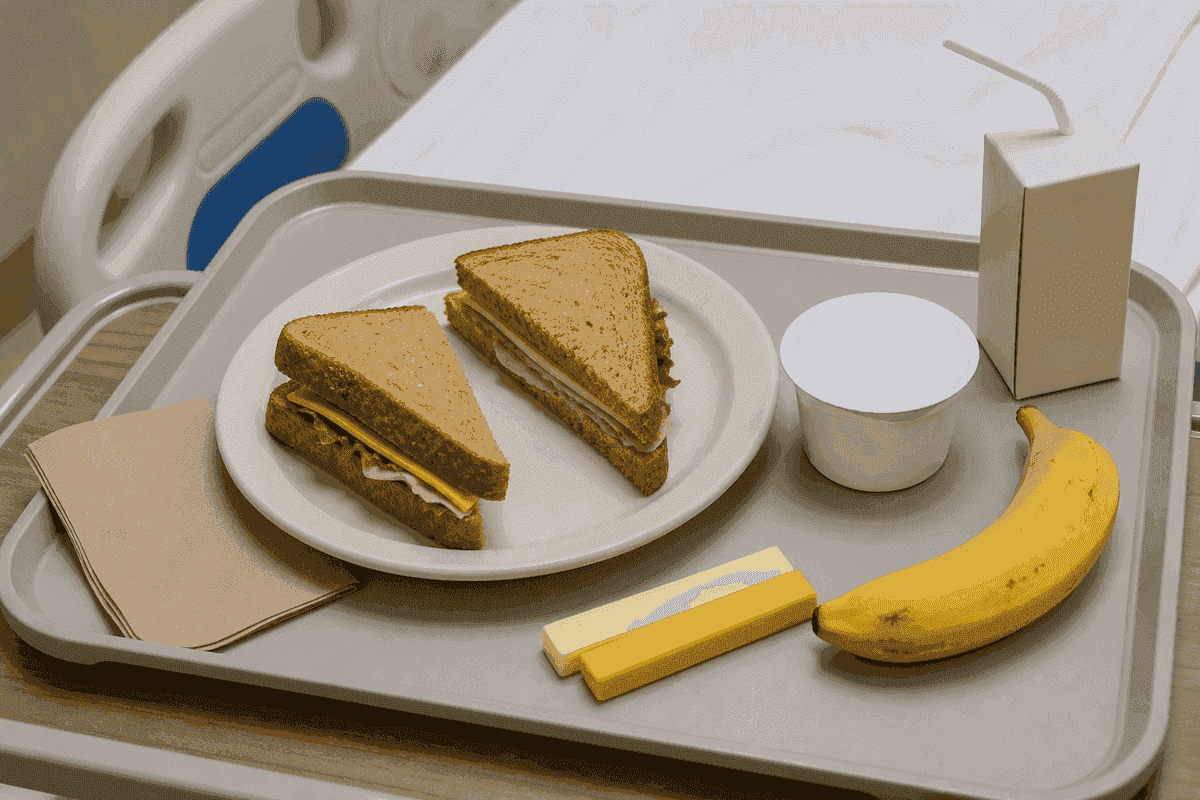
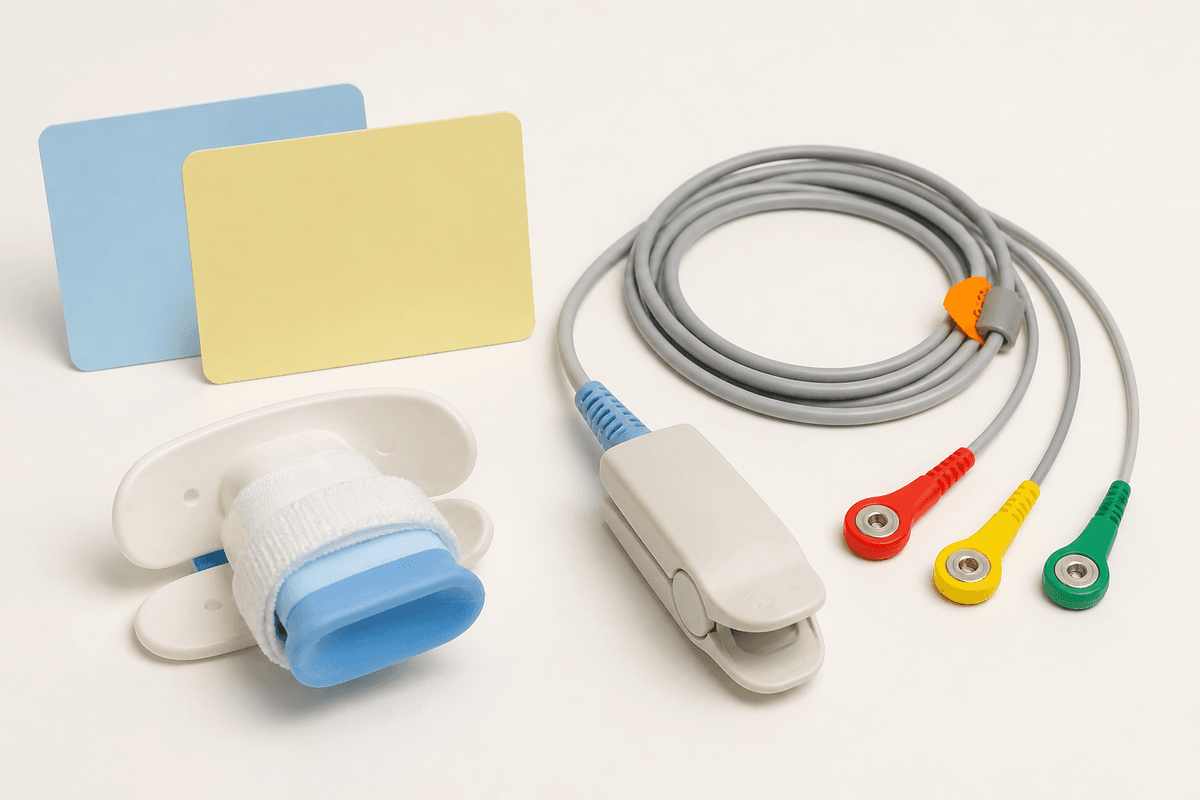
NPO follows anesthesia rules because aspiration during a seizure under anesthesia is the preventable disaster. A breakfast tray “because they look sad” is the distractor. Hold oral meds as the ordered prep says; anticonvulsants may be held so a therapeutic seizure can occur, but only when the protocol names that hold. Do not freelance a lithium or benzodiazepine stop. Remove dentures. The bite block keeps teeth from clenching through the tongue; it is placed when the airway team is ready, not as a hallway gag. Pulse oximetry and ECG (and usually EEG as the team uses it) stay on through the seizure. Afterward, the client is post-ictal and post-anesthesia: stay, reorient, check airway and vitals, then return to the unit plan. Dumping them in a noisy dayroom while still confused is how injury happens.
| Prep / recovery piece | Why it is there | Exam trap |
|---|---|---|
| Consent + memory teaching | Anesthesia plus a seizure is not a minor blood draw | Skip consent because “they are too depressed to decide” without a legal surrogate pathway |
| NPO | Protects the airway under anesthesia | Offer food to “keep their strength up” an hour before |
| Bite block + monitoring | Protects teeth/tongue; watches heart and oxygen through the seizure | Treat ECT like an unmonitored shock in a dark room |
| Stay after; reorient | Confusion is expected; injury is not | Leave them alone to rest in an unsecured space |
When to hold psych meds (quick map)
These hold cues sit on top of the mechanisms already taught: lithium follows salt and water, NMS follows antipsychotics, clozapine fails when neutrophils fall, and serotonergic or MAOI crises follow the antidepressant chapter. The table is the bedside stop rule, not a substitute for recognizing the syndrome.
| Drug issue | Hold cue | First move |
|---|---|---|
| Lithium | Vomiting, coarse tremor, ataxia, toxic level | Hold; notify; support |
| Any antipsychotic | Fever + rigidity + LOC change (NMS) | Stop drug; emergency cool/support |
| Antipsychotic (early) | Acute dystonia | Hold further dose until treated; give ordered anticholinergic |
| Clozapine | Fever, sore throat, low ANC | Hold; notify; labs |
| SSRI / serotonergic stack | Clonus, fever, autonomic chaos | Hold serotonergic agents; see antidepressants chapter |
| MAOI | Severe headache + extreme BP after tyramine | Emergency BP pathway; hold MAOI |
Priority map
| Picture | First move |
|---|---|
| Manic, not eating | Finger foods + safety/sleep plan |
| Voices / delusion | Acknowledge feeling; do not argue content |
| Specific suicide plan + means | Immediate safety measures |
| Lithium 1.8 + ataxia | Hold drug; notify |
| Fever + rigidity on antipsychotic | NMS emergency |
| Clozapine + sore throat/fever | Hold; ANC / infection pathway |
| Twisted neck after first haloperidol | Ordered parenteral anticholinergic now |
| ECT in one hour, breakfast tray | Keep NPO; bite block and monitoring belong in the suite |
Revision
Must know
- 1Mania priorities: safety, sleep, nutrition. Offer high-calorie finger foods and fluids when the client cannot sit for meals.
- 2Hallucinations/delusions: acknowledge feelings, do not argue or agree with the false content, redirect to reality and safety.
- 3Suicide: ask directly about ideation, plan, means, and intent. Highest risk includes specific plan plus means plus intent, recent attempt, or sudden brightening after deep depression.
- 4Hopeless I can't go on statements require immediate safety assessment, not vague reassurance alone.
- 5Lithium: steady salt and fluid intake. Toxicity cues include nausea/vomiting, coarse tremor, ataxia. Hold and notify. Dehydration, low sodium, and NSAIDs raise toxicity risk.
- 6EPS: acute dystonia (torticolis, oculogyric crisis) soon after antipsychotic needs ordered anticholinergic promptly. Akathisia is inner restlessness. Pseudoparkinsonism is tremor and shuffle. Tardive dyskinesia is later choreoathetoid movements; report early.
- 7NMS: high fever, lead-pipe rigidity, altered LOC, unstable vitals after antipsychotics. Stop drug, cool, escalate as emergency.
- 8Clozapine: agranulocytosis risk. Hold and notify for fever, sore throat, or malaise suggesting infection. ANC monitoring is not optional paperwork.
- 9ECT: informed consent, NPO as ordered, bite block and monitoring through the seizure, stay with the client after. Short-term memory gaps are expected teaching, not a reason to skip the procedure when it is indicated. Hold anticonvulsants only if the ordered prep says so.
- 10MAOI tyramine crisis and SSRI serotonin syndrome deepen in Antidepressants. Hold rules still apply when those stems land here.
Memory hooks
Finger foods for flight
Manic clients who cannot sit still still need calories. Portable high-calorie foods beat empty meal trays.
Plan + means = highest risk
Ideation with a concrete plan and access to means outranks vague passive wishes for priority safety action.
Hot, stiff, out of it = NMS
Fever, rigidity, and falling LOC on an antipsychotic is neuroleptic malignant syndrome until proven otherwise.
Clozapine + sore throat = stop and labs
Fever or sore throat on clozapine is agranulocytosis thinking until the ANC says otherwise.
ECT: NPO, bite block, stay after
Empty stomach, protect teeth and tongue, monitor through the seizure, then recover with the client, not a hallway dump.
On the exam
How it's tested
Stems ask the best response to voices, who is highest suicide risk, what to do with lithium 1.8 and ataxia, how to treat a twisted neck after a first antipsychotic dose, whether to give clozapine with a fever, how to tell NMS from mild EPS, or what to teach before ECT. Distractors argue with delusions, leave a planned suicide client alone to rest, treat NMS like mild EPS, push the next clozapine dose through a sore throat, or feed breakfast an hour before ECT.
More in mental health
All topics- AntidepressantsNCLEX antidepressant chapter: SSRI onset and suicide watch, serotonin syndrome, MAOI tyramine crisis, TCA overdose risk, washouts, and when to hold or escalate.Read
- Opioid and substance useNCLEX addictions chapter: opioid overdose and naloxone, opioid withdrawal cues, stimulant intoxication, sedative overdose, and recovery safety teaching.Read
- Substance use and withdrawalNCLEX alcohol chapter: withdrawal progression, delirium tremens priorities, benzodiazepines, thiamine before glucose, and disulfiram teaching.Read
- Therapeutic communicationNCLEX communication chapter: therapeutic vs nontherapeutic responses, silence and presence, teach-back, grief stages, PTSD cues, and end-of-life comfort.Read