Adult health
Immune and allergy medications
NCLEX immune chapter: steroid and transplant drug safety, epinephrine first in anaphylaxis, ART and IVIG reactions, and live-vaccine holds in immunocompromise.
ClesialReviewed by Sophia Bennett, RN
Contents7 sections
Immune and allergy meds reward the nurse who reaches for epinephrine first, never abrupt-stops steroids, and keeps live vaccines away from a flattened immune system.
Anaphylaxis
Anaphylaxis is a rapid, systemic allergic reaction that can close the airway and drop the blood pressure. Histamine and other mediators drive swelling, bronchospasm, and distributive shock — so the first drug job is reverse that collapse with intramuscular epinephrine, not calm the itch. Stopping the trigger (pull the IV antibiotic, remove the allergen) and calling for help run in parallel with epi, not after a slow workup.
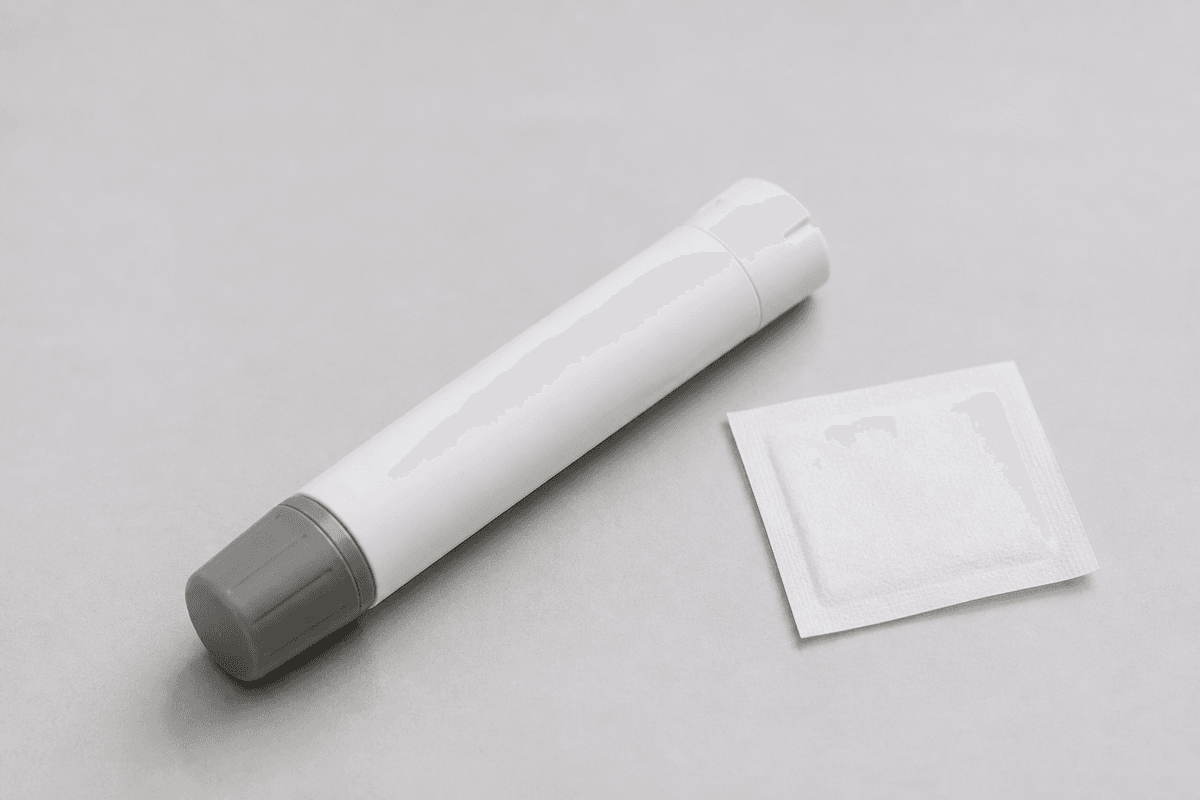
- Stop the infusion/remove the allergen.
- Give IM epinephrine as ordered/protocol.
- Support airway and oxygen; get help.
- Adjunct antihistamines/steroids after epinephrine is started.
Epinephrine is the airway-and-perfusion drug. Antihistamines and steroids are adjuncts that may blunt ongoing mediator effects and late recurrence, but they do not open a swelling airway or restore perfusion the way epinephrine does. On the exam, “give diphenhydramine first” is the comfort answer that fails when the stem shows lip/tongue swelling, stridor, wheeze with hypotension, or shock after a drug or sting.
Auto-injector teaching is part of the med chapter: use it at the first clear anaphylaxis signs the client was taught to recognize, call emergency services after use even if symptoms ease, and carry a second dose when prescribed because symptoms can return before help arrives. Do not coach the client to “wait and see if Benadryl works” when the picture is anaphylaxis. Edge case: mild isolated hives without airway or perfusion threat may follow a different ordered pathway — when the stem adds airway or shock, epi still leads.
Immunosuppressants and ART / IVIG
- Steroids: take as directed; taper; watch infection, glucose, mood, GI risk.
- Transplant/autoimmune immunosuppressants: avoid crowds when counts are low; report fever early.
Safety
Chills, flushing, fever, or BP drop during IVIG: slow or stop the infusion per protocol and notify. Do not “push through” a systemic reaction.
ART adherence keeps resistance away. Undetectable is a treatment success, not a stop date.
Vaccines and immunocompromise
This chapter’s vaccine angle is drug-related immune suppression: when steroids, transplant immunosuppressants, chemo, or similar therapy flatten host defense, live products (MMR, varicella, and other live attenuated vaccines) can cause disease instead of safe immunization. Hold live vaccines until the provider clears them. Inactivated vaccines may still be appropriate, but response can be weaker — clarify rather than guess from the schedule alone.
| Situation | Vaccine stance |
|---|---|
| Significant immunosuppression / chemo | Hold live vaccines until cleared |
| Household teaching | Protect the client; some contacts may need timing advice |
| Active immunity example | Vaccine or infection that generates host response |
Household teaching matters because the immunosuppressed client is the one at risk if a contact sheds a live vaccine virus or brings home an infection — protect the client and follow timing advice the team gives for family members. Active immunity is the host’s own response after vaccine or infection; that is different from passive antibody products such as IVIG, which supply ready-made antibodies without creating lasting host memory the same way.
The distractor that looks efficient is giving the live vaccine “because they are already here for clinic” while the client is on heavy immunosuppression or chemo. Hold and clarify. Schedule detail, catch-up timing, and HIV-specific vaccine rules live in Immunisation and HIV — use that chapter when the stem is really about the immunization calendar rather than the immunosuppressant safety hold.
Priority map
| Picture | First move |
|---|---|
| Wheeze + lip swelling after drug | IM epinephrine |
| Client stops prednisone cold | Teach taper danger; notify |
| IVIG reaction mid-bag | Slow/stop; notify |
| Live vaccine due on chemo | Hold and clarify |
Revision
Must know
- 1Anaphylaxis: stop the trigger, IM epinephrine first, airway/oxygen, then antihistamine/steroid adjuncts.
- 2Teach epi auto-injector: when to use, call emergency services after use, carry two if prescribed.
- 3Do not stop systemic steroids abruptly — taper as ordered (adrenal crisis risk).
- 4Immunosuppressants: infection vigilance, no live vaccines when heavily suppressed unless cleared.
- 5ART: do not stop when viral load is undetectable; adherence prevents resistance.
- 6IVIG reaction (chills, flush, fever, BP change mid-infusion): slow/stop per protocol, notify.
- 7Live vaccines (MMR, varicella, etc.) generally held in significant immunocompromise and pregnancy.
Memory hooks
Epi first, Benadryl later
Airway swelling and shock get intramuscular epinephrine before antihistamine comfort.
Undetectable is not optional vacation
Suppressed viral load still needs daily ART unless the specialist changes the plan.
Live means hold when immunity is down
MMR/varicella wait for clearance in significant immunosuppression.
On the exam
How it's tested
Stems put lip swelling after IV antibiotic, an undetectable client who wants to stop ART, or a live vaccine order on chemo. Distractors give diphenhydramine first or stop ART because labs look good.
More in adult health
All topics- Acute coronary syndromesNCLEX ACS chapter: STEMI reperfusion, nitroglycerin and cath-site priorities, cardiogenic shock, tamponade and endocarditis cues, and valvular stenosis vs regurgitation.Read
- Acute respiratory emergenciesNCLEX airway map: failure cues, PE vs pneumothorax vs obstruction, oxygen and positioning priorities, and when to escalate.Read
- AnemiasNCLEX hematology chapter: iron, B12, and folate deficiency teaching, anemia activity tolerance, and sickle-cell crisis priorities with emergency red flags.Read
- Antimicrobial therapyNCLEX antimicrobial chapter: allergy checks, finishing the course, vancomycin flushing, aminoglycoside toxicity, TB drug teaching, and common topical agents.Read