Foundations of care
Fire safety
NCLEX fire safety chapter: RACE and PASS, oxygen fire risk, evacuate ambulatory clients first patterns as tested, and never use elevators during a fire.
ClesialReviewed by Sophia Bennett, RN
Contents8 sections
Fire items are sequence memory under stress: rescue who is burning now, pull the alarm, shut the door, then decide extinguish versus get out. Oxygen makes everything more flammable. Large-scale casualty sorting lives in Emergency and disaster triage.
RACE: the response sequence
When fire or smoke is in a client environment, the tested order protects life before property. Rescue anyone in immediate danger if you can do it without becoming the next victim - that often means removing the client from the flaming room into the corridor. Activate the alarm and facility fire response next so the whole building’s plan starts. Contain by closing doors (and windows when relevant) to limit oxygen feed and smoke travel. Then extinguish only a small, contained fire with a proper extinguisher, or evacuate along the unit plan.
| RACE step | Bedside meaning |
|---|---|
| Rescue | Move clients in direct danger if safe |
| Alarm | Pull station / call code - do not assume someone else did |
| Contain | Close doors; limit draft feeding the fire |
| Extinguish / Evacuate | Small fire + right extinguisher, or leave the zone |
Closing a door is not abandonment theater - it is smoke control. A closed door can buy minutes for the people on the other side. If you are unsure whether to fight or flee, evacuate. Heroes who re-enter toxic smoke fail the exam and the shift.
Safety
Client in a smoking/flaming room: get them out if you can do it safely, then alarm - do not hunt for an extinguisher first while they burn.
PASS, extinguisher class, and oxygen
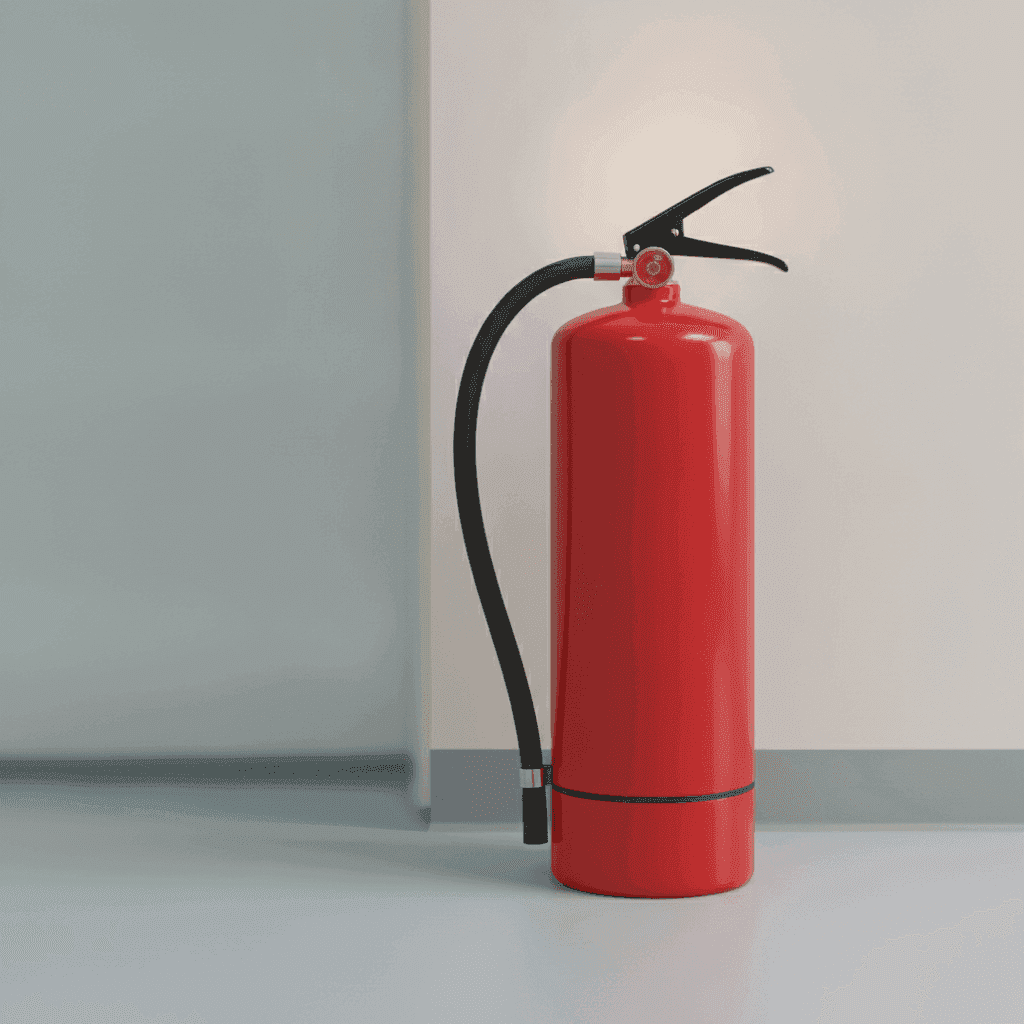
Extinguishers work only on small fires and only if you aim at the fuel base, not the pretty top of the flames. Pull the pin to break the tamper seal, aim low, squeeze, and sweep. Know PASS; also know when the fire is already too big - then RACE becomes evacuate. Using the wrong extinguisher wastes seconds and can spread the fire (water on a grease or energized electrical fire is the classic mistake).
| Class | Fuel | Nursing takeaway |
|---|---|---|
| A | Paper, wood, cloth, trash | Water or multipurpose extinguisher as labeled |
| B | Flammable liquids, grease, oil | Smothering/foam-type agents - not a water splash that spreads fuel |
| C | Energized electrical equipment | Nonconductive extinguisher; kill power if safe before A/B agents |
- Pull the pin.
- Aim at the base of the fire.
- Squeeze the handle.
- Sweep side to side until out - or abandon if it grows.
Oxygen is not flammable by itself, but it dramatically accelerates burning. In a fire involving an oxygen-enriched area, shut off the O2 source if you can reach it safely. Day-to-day teaching: no smoking, no open flames, no sparking toys or equipment near oxygen; secure cylinders upright; keep tanks away from heat; avoid petroleum products on oxygen equipment as commonly taught. Static-prone fabrics appear on some stems - prefer cotton. Home O2 teaching is the same physics: oxygen-enriched clothing and bedding catch more easily.
| Oxygen scenario | Action |
|---|---|
| O2 tubing at the fire source | Shut off O2 if safe; remove client |
| Visitor lighting a cigarette on O2 | Stop immediately; teach; escalate policy |
| Cylinder in hall during evacuation | Do not treat as a doorstop - secure/move per plan |
| Small trash fire, no O2 involvement | PASS if trained and fire is contained |
Electrical safety and other unit hazards
Faulty equipment next to a wet floor is how nurses and clients get shocked. If a client is in contact with a sparking or buzzing device, do not become the next conductor - disconnect power at the plug or breaker if you can do it without grabbing the live chassis with wet hands, then assess the client. Report damaged cords; keep fluids off pump and monitor bases; use grounded outlets as intended. Microwave or space-heater improvisation on clinical units is an exam “stop that” cue.
Radiation safety (diagnostic or implant sources) uses three levers: minimize time near the source, maximize distance, and use shielding (lead apron, lead container for seeds as ordered). Cluster care so you are not lingering unnecessarily. That cluster is a different hazard than fire, but Saunders parks it in the same safety chapter - on stems, pick the lever that matches the named hazard.
Evacuation order and elevators
Unit fires often use horizontal evacuation first: move clients past smoke doors into an adjacent compartment on the same floor, not necessarily straight outdoors. Smoke compartments buy time because fire doors and barriers slow spread. Vertical evacuation (down stairs to another floor or out) comes when the whole floor is unsafe. Many NCLEX patterns evacuate ambulatory clients first so they do not clog corridors while staff move those who need stretchers or wheelchairs. Bedbound clients need equipment and teamwork - assign help rather than leaving walkers stranded behind a jam.
- Never use elevators during a fire - stairs only.
- Feel doors with the back of your hand; do not open a hot door into a fire.
- Stay low under smoke; cover faces with damp cloth if that cue appears.
- Account for clients after moving zones - missing persons search is coordinated, not freelance re-entry.
- Close doors behind you as you clear rooms - containment continues during evacuation.
Know your exits on day one of orientation. In a stem, the nurse who pauses to grab personal belongings or to fight a hallway fully involved in flame is the wrong answer. Life, then containment, then property. If your clothing catches, stop-drop-roll beats running with flames.
Priority map
| Situation | First move |
|---|---|
| Smoke/flame in occupied room | Rescue client if safe → alarm |
| Small contained wastebasket fire | Alarm/contain logic + PASS if safe |
| Fire alarm on unit | Close doors; prepare horizontal evacuation |
| Who leaves first (typical stem) | Ambulatory clients, then assisted, then bedbound with help |
| Elevator vs stairs | Stairs always in fire |
| O2 feeding the fire | Shut off O2 if reachable safely |
| Client touching sparking device | Cut power safely; then assess client |
Revision
Must know
- 1RACE: Rescue anyone in immediate danger, Alarm/activate the fire response, Contain the fire (close doors), Extinguish if small/safe or Evacuate.
- 2PASS for extinguishers: Pull the pin, Aim at the base, Squeeze the handle, Sweep side to side.
- 3Match extinguisher class to fuel: A ordinary combustibles, B flammable liquids, C energized electrical (never water on live electrical fires).
- 4Oxygen supports combustion - shut off O2 if it is feeding the fire and safe to do so; no smoking or sparks near O2; cotton preference over wool/synthetics that spark as tested.
- 5Evacuate ambulatory (“walking wounded”) clients first in many unit-fire patterns so they clear the path - then assist wheelchair/bedbound with help; follow facility horizontal evacuation to smoke compartments.
- 6Never use elevators during a fire - use stairs; close doors to contain smoke.
- 7Do not open hot doors; feel doors before entering; stay low if smoke fills the hall.
- 8Electrical safety: remove the hazard (unplug if safe) before touching a client in contact with a faulty device; dry hands; no frayed cords near sinks.
- 9Mass-casualty triage and disaster role structure live in emergency and disaster triage.
Memory hooks
RACE the scene
Rescue, Alarm, Contain, Extinguish/Evacuate - in that safety logic.
PASS the extinguisher
Pull, Aim at base, Squeeze, Sweep.
Walkers first, elevators never
Ambulatory clients clear out early; stairs only when the building is on fire.
On the exam
How it's tested
Stems ask the first action when you smell smoke in a client room, how to use an extinguisher, who leaves the unit first, or what to do with oxygen near a fire. Distractors fight a spreading blaze alone, put bedbound clients first while walkers block the hall, or send people to elevators.
More in foundations of care
All topics- Adult physical assessmentNCLEX adult assessment chapter: exam order, lung and heart findings to report, perfusion checks, neuro/LOC, pain tools, and abdomen red flags.Read
- Electrolytes: sodium, potassium, calcium, magnesium, phosphateNCLEX electrolytes chapter: Na, K, Ca, Mg, and phosphate. Role, low vs high tables, treatment order, and food plates for diet teaching.Read
- Infection prevention techniqueNCLEX infection-control technique: standard precautions, sterile field rules, PPE removal order, and the first steps after a needlestick.Read
- Labs and acid-baseNCLEX labs chapter: CBC and coagulation, lipids and A1c, specimen-draw traps, critical-value actions, cardiac markers, and primary acid-base interpretation.Read