Adult health
Respiratory chronic disease
NCLEX COPD, asthma, and cystic fibrosis chapter: controlled oxygen, life-threatening asthma cues, inhaler technique, and CF airway clearance with enzymes.
ClesialReviewed by Sophia Bennett, RN
Contents8 sections
Obstructive airway items ask two practical skills: give enough oxygen without harming a COPD retainer, and put the right inhaler in the right order when the client is tight and scared.
COPD and asthma under pressure
COPD and asthma both obstruct exhalation, but the exam pressure points differ. In COPD, chronic CO₂ retention can blunt the normal drive to breathe; dumping uncontrolled high-flow oxygen can remove the hypoxic stimulus some retainers rely on and worsen hypercapnia. So you start controlled oxygen to the ordered target (often ~88-92% SpO₂ when that is the plan), sit the client upright, give ordered bronchodilators, and watch mentation. New somnolence on unexpectedly high O₂ is a CO₂-retention cue, not “they finally relaxed.” Acute PE, pneumothorax, and respiratory-failure triage live in Acute respiratory emergencies. This chapter owns chronic management and inhaler skill.
| Situation | Priority idea |
|---|---|
| COPD exacerbation, SpO2 low | Controlled O2 per order/target; upright position; nebulizers/meds as ordered; watch mentation and CO2 retention cues |
| COPD on unexpectedly high O2 becoming sleepy | Reassess oxygen; somnolence can signal rising CO2 |
| Severe asthma after treatment | Compare work of breathing, wheeze, SpO2, speech; silent chest or status asthmaticus fatigue = escalate |
| Home COPD teaching | Stop smoking, vaccines, breathing techniques, infection warning signs |
Asthma under pressure is airflow that collapses when inflammation and bronchospasm stack. Treat with the rescue bronchodilator first; then reassess speech, work of breathing, SpO₂, and wheeze. The trap: quieter wheeze with exhaustion looks like improvement, but it often means air is barely moving. That is life-threatening asthma and needs escalation, not a “wait and see.” Home COPD teaching earns its place because smoking cessation, vaccines, pursed-lip/diaphragmatic breathing, pacing, and early infection reporting keep the next exacerbation from starting.

Pursed-lip breathing creates a small back-pressure that stents floppy airways open longer on exhalation, so trapped air can leave and dyspnea eases. Teach it as a bedside tool during activity and flares. Not as a substitute for ordered oxygen or rescue meds when SpO₂ and work of breathing are failing.
Safety
If wheeze disappears while the asthmatic client becomes exhausted and quiet, treat that as deterioration, not improvement.
Inhalers: rescue, controller, technique
Inhaled drugs only work if the molecule reaches open airways in the right sequence. Rescue (short-acting beta agonist such as albuterol) relaxes bronchial smooth muscle within minutes. That is the acute wheeze answer. Controllers (inhaled corticosteroids, leukotriene modifiers like montelukast) dampen chronic inflammation; they do not open a crashing airway. When both are due, bronchodilate first so the steroid can deposit deeper; rinse after ICS to cut thrush risk. The distractor that looks tidy is reaching for the steroid or montelukast during acute bronchospasm. That delays the drug that actually moves air.
| Medicine role | Examples on exams | Job |
|---|---|---|
| Rescue / quick relief | Albuterol (SABA) | Acute bronchospasm |
| Controller / maintenance | Inhaled corticosteroid (fluticasone), montelukast | Prevent inflammation; not acute rescue |
A spacer slows the aerosol cloud so more drug lands in the lungs and less coats the oropharynx. Poor seal, firing while talking, or a fast gasp dumps dose into the mouth. Reteach seal, slow deep inhale, and brief breath-hold. Expected albuterol effects include tremor and tachycardia; chest pain or a severe reaction is reportable, not “just the inhaler.”
- Shake the MDI as directed.
- Attach spacer; lips sealed on mouthpiece.
- Actuate once; inhale slowly and deeply.
- Hold breath briefly; wait between puffs as taught.
- If a steroid inhaler is also due, take the bronchodilator first, then the steroid; rinse mouth afterward.
Peak flow turns “I feel tight” into a number against the client’s personal best, so green/yellow/red zones trigger the written action plan before the ER visit. It is monitoring and teaching. Not a rescue device when the client cannot speak in sentences.
- Expected albuterol effects can include tremor and tachycardia; chest pain or severe reaction is reportable.
- Thrush risk after inhaled steroids is why rinsing matters.
- Montelukast is taken regularly for control, not for sudden severe wheeze.
Action plans, theophylline, and home oxygen
An asthma action plan turns peak-flow zones into behavior. Green means baseline plan; yellow means add rescue steps and call as taught; red means emergency care now. Teach the client their personal best, not a stranger’s number. Peak flow is effort-dependent. Do it standing if able, best of three as taught, and do not use it as a toy during a silent-chest emergency.
Theophylline appears less often but still shows up: narrow therapeutic window, toxicity with nausea, vomiting, insomnia, and dysrhythmias. Levels matter; cimetidine, some antibiotics, and smoking changes alter clearance. Report toxicity cues rather than “push through jitteriness.” Long-acting beta agonists are controllers paired with inhaled steroids for asthma, not solo rescue. Home oxygen teaching: no smoking or open flame near O2, secure tanks, and keep tubing from tripping hazards. Cor pulmonale (right-heart strain from chronic lung disease) shows edema and rising dyspnea. Report weight gain and worsening fatigue early.
- Vaccines (influenza, pneumococcal as indicated) are COPD exacerbation prevention.
- Report sputum color/volume change and fever early. Infection sparks decompensation.
- Diaphragmatic breathing with pursed lips reduces air trapping during activity.
Cystic fibrosis: thick secretions and enzymes with food
Cystic fibrosis is a chloride-transport problem. Mucus in the lungs is sticky, so infection and bronchiectasis are the chronic story. Pancreatic ducts clog, so fat and fat-soluble vitamins (A, D, E, K) are not absorbed. Sweat is extra salty. Pediatric stems still use this map; adult CF clinics are common enough that the same rules appear on RN exams. Airway clearance is a scheduled treatment, not a comfort extra: high-frequency vest, huff cough, and postural drainage as ordered happen before meals when the stem is about reducing vomiting, or per the therapy plan. Pancreatic enzymes go with meals and snacks, not on an empty-stomach vitamin schedule, so lipase meets fat in the gut. Skipping enzymes because breakfast is already over is the distractor that produces steatorrhea, failure to gain, and vitamin-deficiency cues.
| Problem | Why it happens | Nursing teaching |
|---|---|---|
| Airway obstruction / infection | Thick mucus traps organisms | Vest and airway clearance as scheduled; report sputum/fever change; vaccines |
| Fat malabsorption | Blocked pancreatic enzymes | Enzymes with every meal and snack; high-calorie, high-protein diet as taught |
| Salty sweat / hyponatremia risk in heat | Salt lost in sweat | Salt as taught in heat or exercise; do not restrict sodium like a heart-failure stem |
| Infertility / delayed puberty (context) | Thick secretions in reproductive tracts | Honest teaching; not a first-hour emergency |
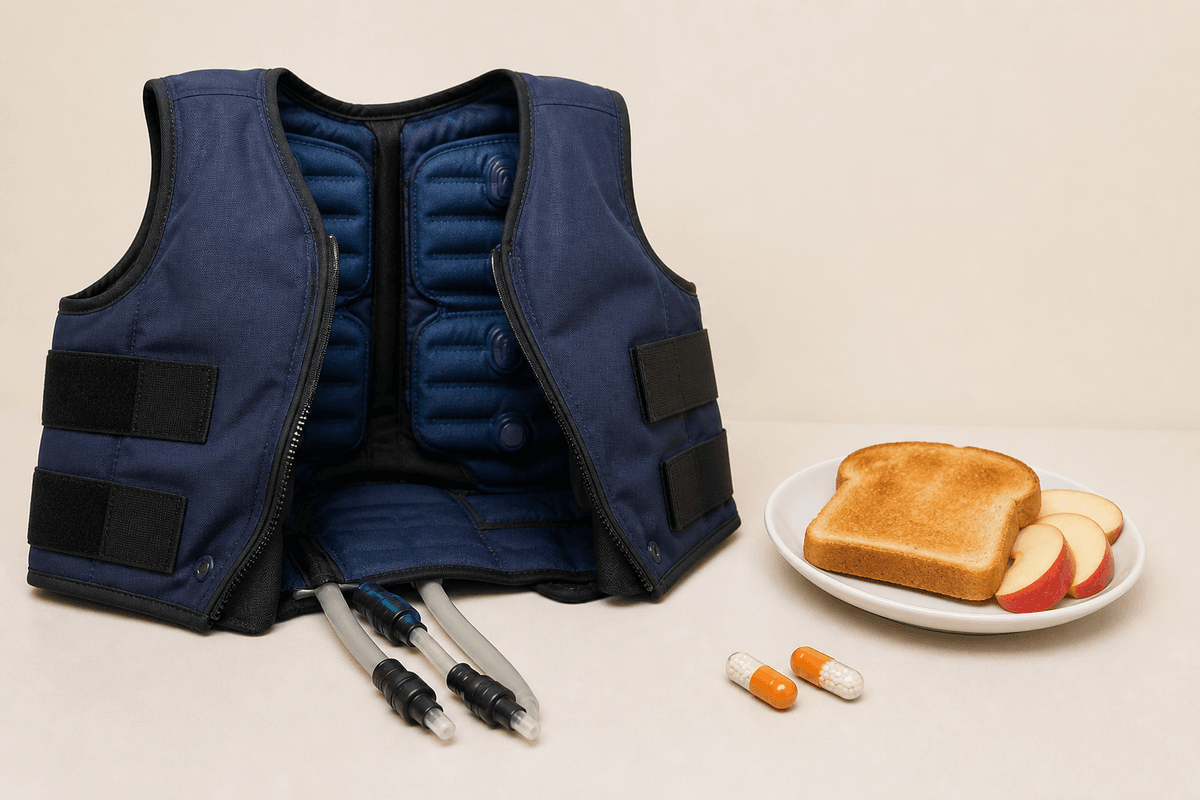
Infection control still matters: do not cohort two CF clients with different organisms when the stem flags that risk. Chest physiotherapy during a meal is a vomiting setup. Meconium ileus and pediatric failure-to-thrive pointers belong with peds GI when the stem is an infant; this chapter owns the lifelong lung-and-enzyme pair. The distractor that looks tidy is treating CF like ordinary asthma (steroid inhaler only) or like celiac (gluten-free without enzymes).
Priority map
| Picture | First move |
|---|---|
| COPD SpO2 86% | Controlled oxygen per protocol; upright; meds |
| Asthma + silent/exhausted | Emergency escalation |
| Albuterol + ICS both due | Bronchodilator first, then steroid, then rinse |
| Wrong spacer technique | Reteach seal, slow inhale, hold |
| Red-zone peak flow | Emergency pathway per action plan |
| Theophylline + vomiting + tachy | Toxicity concern; hold/notify |
| CF meal without enzymes | Give enzymes with food; do not wait until after |
Revision
Must know
- 1COPD hypoxic drive teaching on exams: start controlled low-flow oxygen (often 1-2 L/min NC or target SpO2 per order, commonly around 88-92% when ordered that way). High uncontrolled O2 can worsen CO2 retention in some COPD clients.
- 2Asthma attack: give rescue bronchodilator first. Silent chest, extreme fatigue, or rising CO2/falling LOC means life-threatening asthma. Escalate.
- 3Albuterol = rescue. Inhaled corticosteroid = controller. Use bronchodilator before steroid inhaler when both are due.
- 4MDI with spacer: shake, seal lips on spacer, actuate, slow deep inhale, hold breath briefly as taught, rinse mouth after steroid inhalers.
- 5COPD home teaching: smoking cessation, vaccines, pursed-lip/diaphragmatic breathing, pacing activity, report sputum/fever changes.
- 6Montelukast is a controller pathway agent (leukotriene), not a rescue for acute wheeze.
- 7Cystic fibrosis: thick secretions, fat malabsorption, salty sweat. Airway clearance (vest, huff, postural drainage as ordered) plus pancreatic enzymes with meals and snacks, fat-soluble vitamins, high-calorie diet. Never skip enzymes because “they already ate.”
Memory hooks
Rescue before rinse
Open the airways with the rescue inhaler first, then take the inhaled steroid, then rinse the mouth.
Quiet chest is not calm chest
In severe asthma, loss of wheeze with exhaustion can mean air is barely moving. That is worse, not better.
Low and slow O2 in COPD
For many COPD exacerbations the exam expects controlled oxygen, not a casual 6 L jump without reassessment.
On the exam
How it's tested
Stems ask which O2 to start for COPD at 86%, whether findings after asthma treatment are better or worse, inhaler order, spacer steps, or CF enzyme-with-meals teaching. Distractors crank oxygen high without a plan, use the steroid inhaler for acute rescue, skip mouth rinse after ICS, or give enzymes after the tray is cleared.
More in adult health
All topics- Acute coronary syndromesNCLEX ACS chapter: STEMI reperfusion, nitroglycerin and cath-site priorities, cardiogenic shock, tamponade and endocarditis cues, and valvular stenosis vs regurgitation.Read
- Acute respiratory emergenciesNCLEX airway map: failure cues, PE vs pneumothorax vs obstruction, oxygen and positioning priorities, and when to escalate.Read
- AnemiasNCLEX hematology chapter: iron, B12, and folate deficiency teaching, anemia activity tolerance, and sickle-cell crisis priorities with emergency red flags.Read
- Antimicrobial therapyNCLEX antimicrobial chapter: allergy checks, finishing the course, vancomycin flushing, aminoglycoside toxicity, TB drug teaching, and common topical agents.Read