Health promotion and development
Paediatric growth and safety
NCLEX pediatric development chapter: milestones by age, Erikson tasks, Freud stages when named, Piaget and Kohlberg, play types, separation anxiety, and infant-toddler safety including car seats.
ClesialReviewed by Sophia Bennett, RN
Contents8 sections
Pediatric development items ask whether you know what is expected at an age, which psychosocial task is in play, and how to keep a curious infant or toddler alive long enough to grow into the next stage.
Milestones worth memorizing
Milestone stems ask whether the finding is expected for the age or a referral cue. Use classic NCLEX age bands, not perfectionist parenting blogs. Gross motor, fine motor, language, and social skills move together; a single delayed smile with otherwise normal progress is not the same as no sitting and no words past major anchors.
| Rough age | Expect | Why the exam cares |
|---|---|---|
| 2-3 months | Social smile; lifts head when prone | Social engagement and early neck strength |
| 6-8 months | Sits without support; stranger anxiety rising | Trunk control + attachment/stranger wariness |
| 9-10 months | Crawls/cruises; pincer developing; object permanence | Mobility + safety risk; peek-a-boo makes sense |
| 12 months | First steps for many; mama/dada with meaning; waves/bye | Motor and language anchors near the first birthday |
| Preschool | Magical thinking, why questions, more associative play | Explain procedures simply; fear is literal |
| School-age | Rules, skills, school competence | Protect industry with schoolwork and skill praise |
Expected vs referral: a soft delay needs context, but missing major motor or language anchors (no sitting well into later infancy, no words near the first birthday cluster, loss of skills) prompts evaluation. Loss of previously gained skills is never “just a phase” on a stem; escalate for workup.
Fontanels are part of the infant growth map. The posterior fontanel usually closes by about 2–3 months; the anterior by about 12–18 months. A bulging fontanel with a high-pitched cry or vomiting is an ICP/shunt cue (see pediatric neurology). A sunken fontanel with dry mucous membranes and few wet diapers is dehydration territory. Do not treat a soft, flat fontanel in a well infant as disease.
Erikson (and the theory items that hitchhike)
Erikson maps the psychosocial job of each age. Hospital care either supports that job or shames it. An infant who never gets a consistent response learns mistrust; a toddler offered no safe choices lives in shame; a school-age child barred from homework feels inferior. Match the support to the struggle before you invent a distraction activity.
| Age band | Erikson task | Hospital / nursing support |
|---|---|---|
| Infant | Trust vs mistrust | Consistent caregivers, prompt needs, parent presence |
| Toddler | Autonomy vs shame/doubt | Choices within limits; expect “no” |
| Preschool | Initiative vs guilt | Play, simple explanations, medical play |
| School-age | Industry vs inferiority | Schoolwork, skill praise, routines |
| Adolescent | Identity vs role confusion | Privacy, peers, honest inclusion in plans |
Freud psychosexual (when the stem asks)
Freud items are matching games, not psychoanalysis. Energy (libido in the exam’s old language) sits in a body zone at each age. If the stem names Freud, pick the classic pairing. Do not invent extra stages or treat a hospitalized toddler’s “no” as anal-stage pathology when Erikson autonomy already explains it.
| Stage (exam map) | Age band | Nursing takeaway |
|---|---|---|
| Oral | Infant | Mouth is comfort; sucking, feeding consistency |
| Anal | Toddler | Toileting and control; shame if you fight every “no” |
| Phallic | Preschool | Curious about bodies; simple honest names, not shame |
| Latency | School-age | Energy into skills and same-sex friends; the common match item |
| Genital | Adolescent | Identity and intimate relationships; privacy |
School-age latency is the favorite because it is easy to mix with Erikson industry. Both can be true on the same child: Freud says the drive is in skills and peers, Erikson says the task is competence. Match the theorist the stem names. The distractor assigns latency to a toddler or genital to a preschooler.
Piaget and Kohlberg
Cognitive and moral theory stems ask you to match the age band to how the child thinks, not to recite every experiment. Piaget maps how thinking grows: infants learn through senses and motor acts (sensorimotor); preschoolers use symbols and magical thinking but struggle with conservation (preoperational); school-age kids reason with concrete objects and rules (concrete operational); adolescents can handle abstract “what if” (formal operational). That is why a preschooler fears hospital machines as monsters and a school-age child wants a straight explanation of the cast.
| Piaget stage | Age band (exam map) | Nursing implication |
|---|---|---|
| Sensorimotor | Infant | Object permanence emerges; stranger anxiety; sensory comfort |
| Preoperational | Toddler/preschool | Egocentric, magical; simple concrete words; medical play |
| Concrete operational | School-age | Logic with real objects; likes rules and skill practice |
| Formal operational | Adolescent | Abstract reasoning; include in decisions; peer identity |
Kohlberg moral items hitchhike on the same ages. Young children often stay in punishment-obedience (“I will get in trouble”). School-age kids commonly sit in conventional morality; being a “good” child or following rules because that is what good people do. Do not force sophisticated post-conventional ethics onto a toddler stem; match the developmental ceiling the age allows.
Play, safety, and separation
Play type tracks how much social coordination the child can hold. Toddlers want company but not shared goals; two kids on the same rug with separate toys is parallel play, not a socialization failure. Preschoolers start sharing the activity (associative), then organize toward a goal (cooperative). Match the age band before you judge the play “wrong.”
| Play type | Picture |
|---|---|
| Solitary | Infant/young toddler plays alone |
| Parallel | Toddlers side by side, separate toys |
| Associative | Preschoolers share activity with loose organization |
| Cooperative | Older preschool/school-age organized toward a goal |
The distractor that looks developmental is forcing cooperative team play on toddlers, or labeling parallel play as isolation that needs fixing. Side-by-side separate toys at that age is expected. Cooperative play shows up later when kids can hold rules and a shared outcome; not when autonomy is still the main psychosocial job.
Safety teaching follows what the child can suddenly reach. A mobile 10-month-old mouths everything and pulls to stand, so choking objects, fall hazards, and a correctly installed rear-facing car seat in the back seat lead parent teaching. Toddlers add climbing and curiosity: gates, locked meds and cleaners, constant water watch, and outlet covers.
SIDS risk-reduction teaching is still core: place infants supine for sleep, use a firm mattress, keep soft bedding, bumpers, and stuffed toys out of the crib, avoid adult bed-sharing, keep the home smoke-free, and room-share without bed-sharing when that is the teaching plan. Prone sleep “because they sleep better” is the distractor that fails the stem.
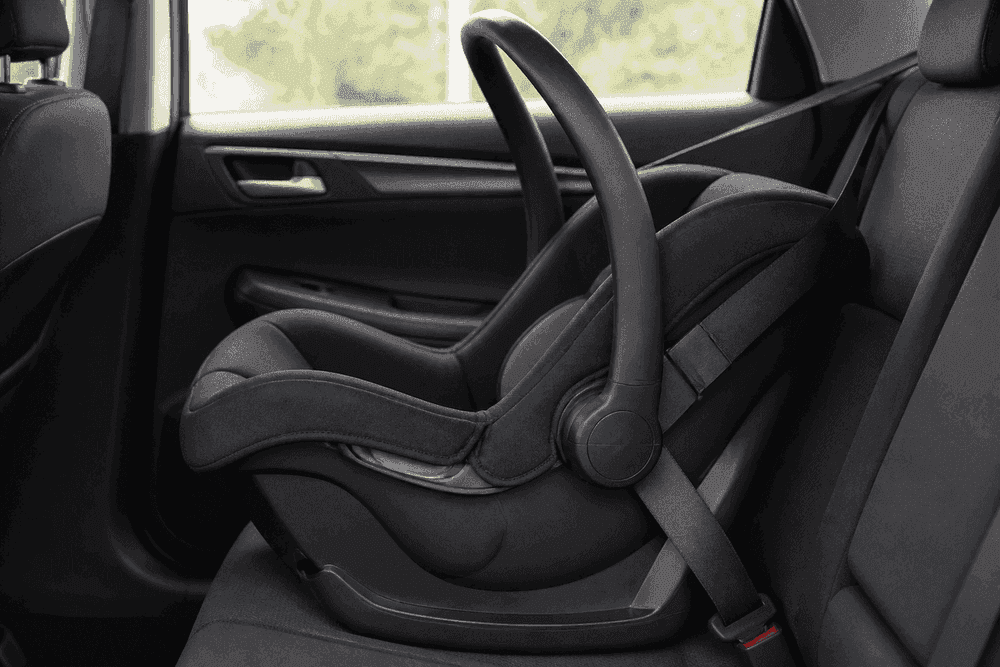
- 10-month safety priority teaching often centers on choking, falls, and car-seat use.
- Toddler homes need gates, locked meds/cleaners, water supervision, and outlet covers.
- Safe sleep / SIDS: back to sleep, firm surface, empty crib, no smoke exposure.
- After vaccines: mild fever/fussiness can be expected; true contraindications and live-vaccine rules deepen in immunization chapters; avoid aspirin for viral illness fever.
Hospitalized toddlers often show separation anxiety in a sequence: loud protest (cry, cling), then despair (withdrawn, quiet), then detachment if the parent stays away too long. Protest is expected attachment behavior; support parent rooming-in when possible. Quiet “settling” after a long parent absence is often despair, not coping. Edge case: school-age and adolescent support looks different (competence and privacy), so do not treat every quiet child as the same problem.
Safety
Separation protest in a hospitalized toddler is expected. Support parent rooming-in when possible. Quiet withdrawal after long separation is despair, not “good settling.”
Priority map
| Picture | First move |
|---|---|
| Age + milestone question | Match the classic age band before inventing |
| Toddler saying no constantly | Autonomy task; offer safe choices |
| Two toddlers, separate toys | Parallel play; expected |
| Infant car travel teaching | Rear-facing in back seat per current guidance taught |
| Hospitalized school-age child | Protect industry: school and competence |
Revision
Must know
- 1Sit without support: typically around 6-8 months. Walk alone and first words cluster near 12 months. Missed key milestones need referral evaluation.
- 2Erikson: infant trust vs mistrust; toddler autonomy vs shame/doubt; preschool initiative vs guilt; school-age industry vs inferiority; adolescent identity vs role confusion.
- 3Toddler play is often parallel (side by side, not together). Preschoolers move toward associative/cooperative play.
- 4Separation anxiety in hospitalized toddlers: protest (cry/cling), despair (withdrawn), then detachment if prolonged. Support parent presence.
- 5Infant safety: rear-facing car seat in the back seat, supervise, avoid small choking objects, sleep safe (back to sleep, firm surface).
- 6SIDS risk reduction: supine sleep, firm mattress, no soft bedding/bumpers/shared bed with adults, smoke-free home; room-share without bed-share as taught.
- 7Fontanels: anterior closes roughly 12–18 months; posterior by about 2–3 months. Bulging with ICP cues is urgent; sunken with dehydration cues matters.
- 8Mild fever or fussiness after vaccines is common; live-vaccine timing and true contraindications live with immunization chapters. Do not give aspirin for viral illness fever (Reye).
- 9Toddler safety: gates, locked cabinets, water watch, poison control awareness, car seat still rear- or forward-facing per size/age rules taught.
- 10Hospitalization support: school-age needs schoolwork/competence; adolescent needs privacy and peer connection; preschool needs play and clear simple explanations.
- 11Freud latency (school-age) is a common theory match item; do not invent ages outside the classic map.
- 12Piaget: sensorimotor (infant), preoperational (preschool magical thinking), concrete operational (school-age logic with real objects), formal operational (adolescent abstract).
- 13Kohlberg on exams: preschool/young child often punishment-obedience; school-age conventional “good boy/girl” or law-and-order; do not force adult post-conventional labels on toddlers.
Memory hooks
Trust → autonomy → initiative → industry → identity
Erikson from infant through adolescent in that order. Match the hospital support to the struggle.
Parallel = side by side
Two toddlers with separate toys near each other is parallel play, not failure to socialize.
Protest, despair, detach
Separation response in young children often moves from loud clinging to quiet withdrawal if parents stay away too long.
On the exam
How it's tested
Stems ask the age for sitting alone, name the Erikson stage for a “no”-saying toddler, identify parallel play, or pick a safe 9-month toy and car-seat position. Distractors put a toddler in cooperative team sports play or treat protest crying as pathologic only.
More in health promotion and development
All topics- Community and population healthNCLEX community chapter: windshield surveys, incidence versus prevalence, reportable diseases, lead exposure, and primary secondary tertiary prevention.Read
- Elder abuse and polypharmacyNCLEX older-adult chapter: abuse and neglect red flags, mandatory reporting, caregiver stress, polypharmacy risks, and Beers-list style med traps.Read